
How Flooring Installation Works in Trumbull, CT
Supreme Flooring installs hardwood, engineered wood, luxury vinyl plank, laminate and tile floors in Trumbull, CT homes. This page explains what the work involves, how long it takes, what drives the price and which decisions come before installation day. For a measurement and a written estimate, call (475) 260-3661.
Flooring installation is the removal of old flooring, preparation of the subfloor, and fitting of new hardwood, engineered wood, luxury vinyl plank, laminate or tile. Supreme Flooring provides this service to homeowners and property owners in Trumbull, Connecticut, for single rooms, basements and full floors.
What Does Professional Flooring Installation Involve?
Flooring installation is the process of removing an existing floor, correcting the subfloor beneath it and fitting a new surface so it stays flat, quiet and secure for years. Supreme Flooring handles that full sequence for homes in Trumbull, CT, from a single bedroom to an entire first floor. The work matters because most floor failures start below the surface, not in the boards or planks themselves.
Homeowners usually call about a specific problem. Squeaks and soft spots point to a loose or damaged subfloor. Gaps between hardwood boards often trace back to wood that was never acclimated to the room. Peeling vinyl, cracked tile and buckled laminate tend to follow moisture from a basement slab or a missing underlayment.
A new floor also changes how a house works day to day. The right material can stand up to pets, handle a damp basement, make a kitchen easier to clean or tie open rooms together with one continuous surface.
Supreme Flooring checks the subfloor before quoting, explains material trade-offs in plain terms and provides a written estimate that lists removal, preparation and trim work separately. Customers know exactly what they are paying for before any old flooring comes up, and decisions about material, layout and transitions are settled before installation day.
Flooring Installation Steps, Materials and Timeline
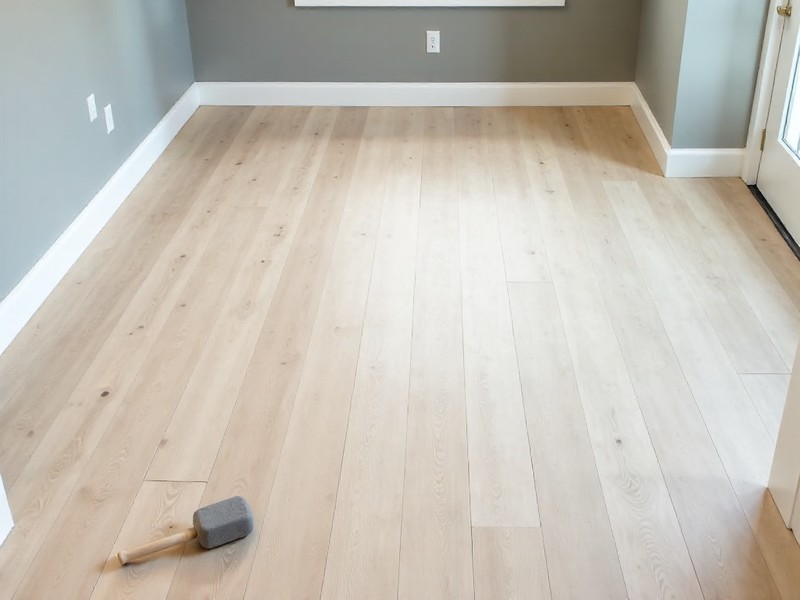
Flooring installation from Supreme Flooring follows the same core sequence regardless of material: measure, remove, prepare, install and finish. Each step is listed in the estimate, so there are no surprise charges for work that every floor requires.
Measurement comes first. Rooms are measured with a laser measure, and moisture readings are taken on the wood subfloor or concrete slab. Those readings decide whether a vapor barrier is needed and which materials are suitable for a basement or a ground-level room.
Removal and preparation take the most care. Old carpet, tack strip, vinyl, laminate or tile is pulled up and hauled away. The subfloor is then screwed down to stop squeaks, high spots are sanded or ground, and low spots are filled with leveling compound. Most manufacturers require a subfloor to be flat within a tight tolerance, and skipping this step can void a flooring warranty.
Installation methods depend on the material. Solid hardwood is nailed to a plywood subfloor with a pneumatic flooring nailer. Engineered wood can be nailed, glued or floated. Luxury vinyl plank and laminate usually click together as a floating floor over underlayment, while tile is set in thinset mortar over cement board or an uncoupling membrane and then grouted.
Finishing ties the floor into the room. Baseboards or quarter round are reinstalled or replaced, transitions are fitted at doorways and stairs, and the area is cleaned. Site-finished hardwood adds sanding, stain and several coats of polyurethane, each of which needs time to dry.
Timelines vary with size and material. A single room of vinyl plank or laminate is often finished in one day. A 600 to 1,000 square foot area of prefinished hardwood typically takes two to four days, plus several days of acclimation beforehand. Tile and site-finished hardwood take longer because mortar, grout and finish coats need curing time.
Why a Properly Installed Floor Lasts Longer
Quiet, Squeak-Free Floors
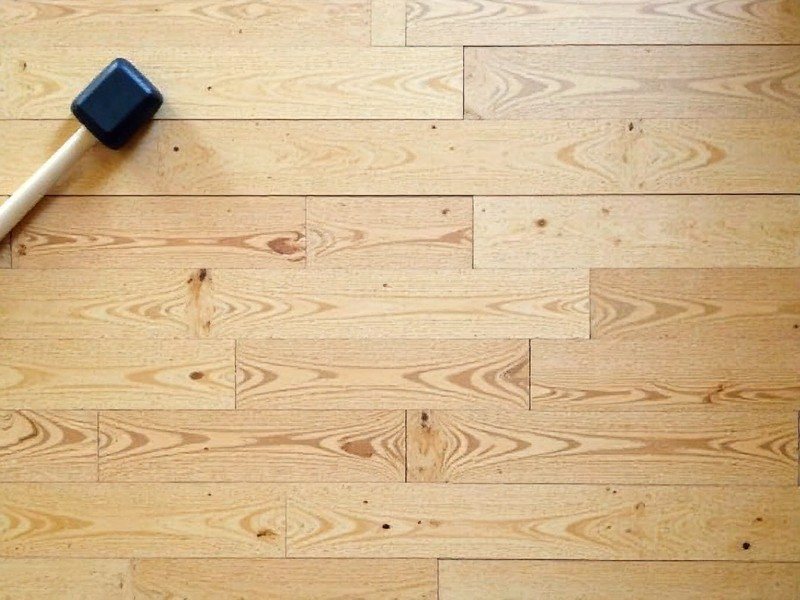
A properly fastened subfloor stops the squeaks and soft spots that make older floors feel tired. Screwing down loose panels and replacing damaged sections before installation means the new surface sits on a solid base, so it stays quiet underfoot instead of developing the same noises within a year or two of being laid.
Protected Manufacturer Warranties
Flooring manufacturers set requirements for subfloor flatness, moisture levels, acclimation and expansion gaps. Installing to those specifications keeps the product warranty valid. A floor laid over an uneven or damp base can fail early, and many warranties exclude failures caused by installation errors, leaving the homeowner to pay for replacement.
Material Matched to Room
Each room has different demands. Basements need moisture-tolerant products such as luxury vinyl plank, kitchens and baths benefit from water resistance, and living areas often suit hardwood. Choosing material by room conditions rather than looks alone prevents cupping, swelling and lifting, and it keeps the floor performing for its full expected lifespan.
Clean Transitions and Trim
Doorways, stair noses and the meeting points between different floors are where a job looks finished or unfinished. Properly fitted transition strips, reinstalled baseboards and neat cuts around door casings give the room a polished look and remove tripping edges where one flooring height meets another, especially between kitchens and hallways.
Fewer Long-Term Repairs
A floor that is acclimated, gapped and supported correctly resists the common failures: gaps in winter, buckling in humid summers and cracked tile over flexing joists. Connecticut's seasonal humidity swings are hard on wood floors, so careful preparation reduces the call-backs, patch repairs and early replacements that poorly installed floors often need.
Higher Home Appeal
New flooring is one of the first things buyers and guests notice. A consistent, well-laid floor makes rooms look larger and better maintained, and hardwood in particular is a feature buyers look for. Even for owners staying put, a durable floor that is easy to clean improves daily comfort in every room.
How a Flooring Project Moves From Estimate to Finish
Measure and Assess
The rooms are measured, the existing floor and subfloor are inspected, and moisture readings are taken. Squeaks, uneven spots and height changes at doorways are noted so they can be priced into the plan.
Choose Material and Estimate
Material options are compared by durability, moisture tolerance and price. A written estimate then lists materials, removal, subfloor work, installation and trim as separate lines.
Acclimate and Prepare
Wood products are delivered early to adjust to the home's humidity. On install day, furniture is moved as agreed, old flooring is removed and the subfloor is secured, leveled and cleaned.
Install the New Floor
The floor is laid using the method the material calls for: nailed, glued, floated or set in mortar. Expansion gaps and layout lines are kept consistent across rooms.
Finish and Walk Through
Trim and transitions are installed, the area is cleaned and debris is hauled away. A final walk-through covers the finished work and the care routine for the new floor.
Flooring Installation Questions From Trumbull Homeowners
Common questions about flooring installation
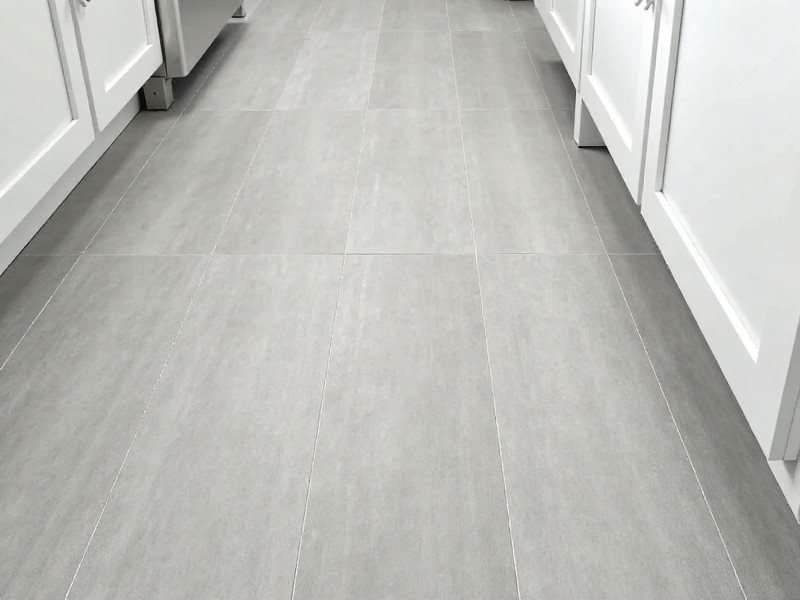
The best flooring material depends on the room's moisture, traffic and use. Hardwood and engineered wood suit living rooms and bedrooms, luxury vinyl plank handles basements, kitchens and pets well, laminate offers a wood look at lower cost, and porcelain tile works in bathrooms and entries. Many Trumbull homes combine two or three materials across different floors.
Flooring installation is priced per square foot and varies mainly by material and prep work. Installed prices with materials commonly run from about $4 to $8 per square foot for vinyl plank or laminate and $8 to $15 or more for hardwood and tile. Removal, subfloor repair, stairs and trim are listed separately in the written estimate.
Subfloor preparation means making the base flat, dry and solidly fastened before new flooring goes down. That can include screwing down loose panels, replacing water-damaged plywood, grinding high spots and filling low areas with leveling compound. In homes built before 1978, disturbing painted trim during the work calls for lead-safe practices under federal rules.
Furniture moving is typically handled by arrangement before work begins, and the plan is settled in the estimate. Most homeowners empty small items, fragile pieces, electronics and closet floors themselves, while larger furniture can be moved by the crew. Pianos, gun safes and aquariums usually need specialty movers. Clearing rooms ahead of time keeps the schedule on track.
Flooring installation for one room of vinyl plank or laminate usually takes a single day. Larger hardwood jobs of several rooms typically take two to four days after an acclimation period of several days. Tile needs extra time for mortar and grout to cure, and site-finished hardwood needs drying time between coats of finish.
Basement flooring is possible when the material tolerates moisture and the slab is tested first. Many Trumbull basements sit on concrete that releases moisture, especially in humid summers, so luxury vinyl plank or tile over a vapor barrier is the usual choice. Solid hardwood is not recommended below grade because it swells and cups with moisture.
Hardwood acclimation lets the boards reach the same moisture level as the home before they are fastened down. Connecticut's dry heated winters and humid summers make wood expand and shrink, so skipping acclimation leads to gaps or buckling later. The boxes are typically stored in the room for several days with heat or air conditioning running normally.
New floor care starts with felt pads under furniture, doormats at entries and regular sweeping or vacuuming without a beater bar. Hardwood and laminate should be cleaned with a damp, not wet, mop and a manufacturer-approved cleaner. Site-finished hardwood needs about a week before rugs go down, and steam mops should be avoided on most wood and laminate floors.
Sources
- Lead Renovation, Repair and Painting Program, U.S. Environmental Protection Agency — Lead-safe practices for work in pre-1978 homes
Service Areas
We proudly serve these locations
Need Flooring Installation in Trumbull, CT?
Tell us about your rooms and we'll recommend a flooring option that fits your home.
Call (475) 260-3661Last updated